Ear Piercings: A Comprehensive Guide (Updated May 5, 2026)
Ear piercing is a globally popular body modification, offering diverse aesthetic expressions and cultural significance. This guide explores types, benefits, risks, and crucial aftercare for a safe experience.
Ear piercing represents a timeless form of self-expression, deeply rooted in history and celebrated across cultures worldwide. From the simplicity of a single lobe piercing to the complexity of multiple cartilage arrangements, this practice allows individuals to showcase their unique personality and style. Modern techniques prioritize both hygiene and precision, minimizing discomfort while maximizing aesthetic results.
Historically, ear piercing extended beyond mere adornment, often carrying cultural, religious, or therapeutic significance. Certain traditions, like Ayurveda, associate specific ear points with health benefits. Today, the motivations are largely aesthetic, but the enduring appeal speaks to a fundamental human desire for body modification and self-representation.
This comprehensive guide will delve into the diverse world of ear piercings, covering various types, potential risks, and essential aftercare procedures. Understanding these aspects is crucial for ensuring a safe, stylish, and satisfying piercing experience. We aim to equip you with the knowledge needed to make informed decisions and enjoy your new piercing with confidence.
Historical and Cultural Significance of Ear Piercings
Ear piercing’s history stretches back millennia, evidenced by ancient artifacts and traditions. Archaeological discoveries reveal pierced ears dating back to ancient civilizations, including those in the Middle East and Africa, often signifying status or religious affiliation. Throughout history, different cultures have imbued ear piercings with unique meanings, ranging from symbols of bravery and fertility to indicators of social standing and tribal identity.
In some cultures, ear piercing rituals marked significant life stages, such as puberty or marriage. Certain indigenous communities utilized ear ornaments as expressions of artistry and spiritual connection. Even in modern times, cultural practices continue to influence piercing styles and placements.
Beyond cultural symbolism, traditional medicine systems like Ayurveda recognize ear points for potential therapeutic benefits, linking them to overall health and well-being. This historical and cultural depth underscores that ear piercing is far more than a contemporary fashion statement; it’s a practice deeply interwoven with human history and belief systems.
Benefits of Getting Ear Piercings
Ear piercings offer a multitude of benefits, extending beyond mere aesthetic appeal. Primarily, they serve as a powerful form of self-expression, allowing individuals to showcase their personality, style, and creativity through diverse jewelry choices and placements. Piercings can boost confidence and self-esteem, enabling individuals to feel more comfortable and authentic in their appearance.
Furthermore, ear piercings can hold cultural or religious significance, connecting individuals to their heritage and beliefs. In some traditions, they are believed to offer therapeutic advantages, aligning with practices like Ayurveda that utilize ear points for wellness.

The social aspect is also noteworthy; piercings can foster a sense of community and belonging among those who share similar interests. Ultimately, the benefits of ear piercings are deeply personal, offering a unique avenue for self-discovery and adornment.

Types of Ear Piercings
Ear piercings vary widely, from classic lobe piercings to intricate cartilage designs, offering diverse options based on preference, pain tolerance, and lifestyle choices.
Lobe Piercings
Lobe piercings represent the most traditional and universally accepted form of ear piercing, celebrated for their simplicity and versatility. These piercings involve the soft, fleshy lower portion of the earlobe and are considered relatively painless compared to cartilage piercings. The healing process is generally faster, making them an excellent choice for first-timers or those seeking a classic look.
Jewelry options for lobe piercings are incredibly diverse, ranging from classic studs and elegant hoops to dangling earrings that showcase individual style. The flexibility of lobe piercings allows for easy customization and the ability to wear a wide array of designs. Due to their popularity and ease of care, lobe piercings serve as a foundational element for many ear piercing enthusiasts.

Further customization within lobe piercings includes multiple piercings along the lobe, creating a layered and visually interesting effect. This allows individuals to express their creativity and build a unique earscape.
Standard Lobe Piercing
The standard lobe piercing is the quintessential entry point into the world of body modification, renowned for its accessibility and minimal invasiveness. This piercing involves creating a hole through the soft tissue of the earlobe, typically positioned in the lower portion. It’s widely considered the least painful type of ear piercing due to the lobe’s fleshy composition and ample blood supply, which aids in quicker healing.
This classic piercing offers unparalleled versatility in jewelry selection. Individuals can choose from a vast array of studs, hoops, and dangling earrings to reflect their personal style. The healing timeframe is relatively short, usually spanning six to eight weeks with proper aftercare.
Because of its simplicity and low risk, the standard lobe piercing is often the first piercing people get, serving as a foundation for exploring more elaborate ear adornments later on. It remains a timeless and universally flattering choice.
Multiple Lobe Piercings
Multiple lobe piercings represent a stylish evolution of the classic single lobe piercing, allowing for a curated and personalized ear aesthetic. This involves acquiring additional piercings along the earlobe, either stacked vertically or spread horizontally. It’s a fantastic way to showcase a diverse collection of earrings and create a unique, layered look.
While each individual piercing heals similarly to a standard lobe piercing (typically six to eight weeks), obtaining multiple piercings simultaneously or in close succession requires diligent aftercare to prevent complications. Spacing the piercings appropriately is crucial to allow for adequate blood flow and minimize irritation.
The possibilities for jewelry combinations are endless, ranging from matching sets to contrasting styles. Multiple lobe piercings offer a subtle yet impactful way to express individuality and elevate your everyday style. Careful planning and a reputable piercer are key to achieving a beautiful result.
Stretched Lobe Piercings
Stretched lobe piercings involve gradually increasing the size of a standard lobe piercing, creating a larger gauge hole capable of accommodating larger jewelry. This process, known as gauging or stretching, is a commitment requiring patience and meticulous aftercare to avoid tearing or scarring.
Stretching is typically achieved using progressively larger sizes of tapers or plugs, slowly expanding the piercing over months or even years. It’s crucial to avoid rushing the process, as rapid stretching can lead to blowouts (where the skin grows around the jewelry) or permanent damage.
While large gauge lobes can be a striking fashion statement, it’s important to understand the potential risks. Once stretched, shrinking the lobe back to its original size is often difficult and may require surgical intervention. Maintaining proper hygiene and using high-quality stretching tools are paramount for a safe outcome.
Cartilage Piercings
Cartilage piercings differ significantly from lobe piercings, involving the piercing of the ear’s cartilage – the firm, flexible tissue that gives the ear its shape. These piercings generally take longer to heal and are more prone to complications due to the cartilage’s limited blood supply. Proper aftercare is absolutely essential for successful healing and minimizing risks.
A wide variety of cartilage piercings exist, each offering a unique aesthetic. Popular options include helix, forward helix, tragus, anti-tragus, conch, daith, and rook piercings, among others. The placement of the piercing influences both the pain level and the healing time.
Choosing a skilled and experienced piercer is particularly crucial for cartilage piercings. They must have a thorough understanding of ear anatomy and employ sterile techniques to prevent infection. Cartilage piercings require dedicated aftercare, including regular cleaning with a saline solution.
Helix Piercing
Helix piercings are located on the upper cartilage of the ear, creating a stylish and modern aesthetic. This is one of the most popular cartilage piercing choices, favored for its visibility and versatility in jewelry selection; However, due to its location on cartilage, the healing process is typically longer and requires diligent aftercare compared to lobe piercings.
Expect a moderate level of pain during the piercing process, often described as a quick, sharp pinch. The healing time can range from six months to a year, or even longer, depending on individual healing capabilities and aftercare adherence. Consistent cleaning with a sterile saline solution is vital to prevent infection.
Jewelry options for helix piercings are extensive, including rings, studs, and barbells. Choosing high-quality, hypoallergenic materials like surgical steel or titanium is recommended to minimize irritation and allergic reactions during the healing phase.
Forward Helix Piercing
Forward helix piercings are positioned on the front cartilage of the upper ear, near the face, offering a unique and eye-catching aesthetic. This piercing is gaining popularity for its subtle yet stylish appearance, allowing for a variety of jewelry options. However, like other cartilage piercings, it demands a commitment to proper aftercare due to the slower healing process.
Pain levels are generally moderate, often described as a sharp, brief sensation. The healing timeframe typically extends from six months to a year, sometimes longer, contingent on individual healing rates and consistent aftercare routines. Maintaining cleanliness with a sterile saline solution is paramount to avoid complications.
Common jewelry choices include small studs, rings, and barbells crafted from hypoallergenic materials like surgical steel or titanium to minimize irritation and promote optimal healing.
Tragus Piercing
Tragus piercings involve the small flap of cartilage that partially covers the ear canal. This piercing is considered relatively discreet and stylish, offering a unique placement for jewelry. It’s becoming increasingly popular, but potential piergoers should be aware of the specific considerations involved in its healing process.
Pain levels are typically moderate, often described as a quick pinch. Due to the tragus’s location and cartilage density, healing can take between six to twelve months, or even longer for some individuals. Consistent and diligent aftercare is crucial to prevent infection and ensure successful healing.
Suitable jewelry options include small studs, rings, and curved barbells made from hypoallergenic materials like titanium or surgical steel. Avoiding pressure on the piercing during sleep is also recommended.
Anti-Tragus Piercing
Anti-tragus piercings are placed opposite the tragus, on the thick cartilage fold above the ear canal. This piercing is considered more unique and bold than a standard tragus piercing, offering a distinctive aesthetic. However, it’s also known for being one of the more painful cartilage piercings due to the thickness of the cartilage.
Expect a moderate to high level of pain during the procedure. The healing process is typically lengthy, ranging from six months to a year, or even longer, requiring meticulous aftercare. The location is prone to irritation from headphones or sleeping on that side.
Jewelry choices are generally limited to curved barbells or rings, crafted from biocompatible materials like titanium or surgical steel to minimize allergic reactions and promote healing.
Conch Piercing (Inner & Outer)
Conch piercings are categorized into inner and outer, based on placement within the ear’s central cavity. The outer conch pierces the flat cartilage of the outer ear, while the inner conch goes through the cartilage closer to the ear canal. Both offer a unique canvas for jewelry display.

Outer conch piercings generally experience a moderate pain level and a healing time of six to twelve months. Inner conch piercings, being closer to sensitive areas, can be more painful and require a longer healing period.
Popular jewelry choices include captive bead rings, circular barbells, or studs. Opting for high-quality materials like titanium or gold is crucial to prevent irritation and ensure successful healing. Careful aftercare is essential for both types.
Daith Piercing
Daith piercings involve piercing the innermost cartilage fold of the ear, just above the ear canal. This unique placement is gaining popularity for its aesthetic appeal and, in some beliefs, potential benefits like migraine relief – though scientific evidence remains limited.
The Daith piercing is often described as moderately painful, with a healing process that can extend from six to twelve months, or even longer, due to the cartilage’s thickness and location. Proper aftercare is paramount to prevent complications.
Common jewelry choices include captive bead rings or circular barbells. Due to the piercing’s location, jewelry size and material are critical for comfort and successful healing. Titanium is often recommended for its hypoallergenic properties.
Rook Piercing
Rook piercings are located in the antihelix, the ridge of cartilage above the tragus, within the inner ear. This piercing is considered relatively new and offers a subtle yet stylish aesthetic. It’s a visually interesting option for those seeking something beyond standard cartilage piercings;
The rook piercing is generally considered more painful than lobe piercings, due to the thickness of the cartilage in that area. The healing process is also lengthy, typically ranging from six to twelve months, requiring diligent aftercare to avoid complications like infection or migration.
Curved barbells are the most commonly used jewelry for rook piercings, as they conform to the ear’s natural shape. High-quality materials like titanium or surgical steel are recommended to minimize irritation and promote healing.
Industrial Piercing
Industrial piercings are a bold statement, connecting two points on the upper cartilage of the ear with a single, elongated barbell. Typically, these points are the helix and forward helix, though variations exist. This piercing requires a significant amount of cartilage and a suitable ear anatomy for successful placement.
Due to its length and the cartilage involved, the industrial piercing is known to be one of the more painful cartilage piercings. The healing period is also extended, often taking anywhere from six to twelve months, or even longer, demanding strict adherence to aftercare instructions.
Jewelry for industrial piercings is usually a straight barbell made of titanium or surgical steel. Proper sizing and a comfortable fit are crucial to prevent irritation and promote healing. Careful consideration should be given before getting this piercing.
Piercing Process & What to Expect
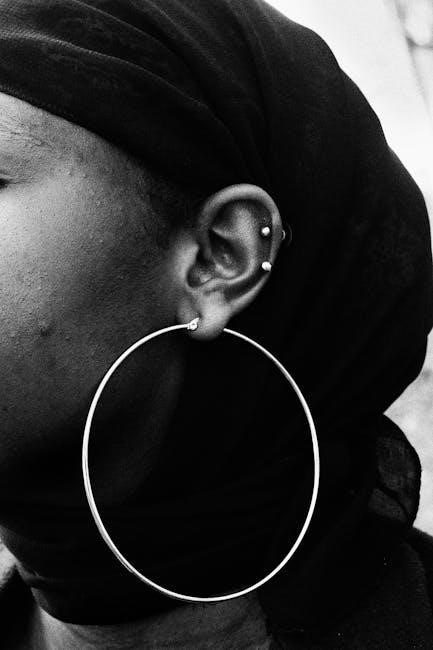
The piercing process prioritizes hygiene and precision, utilizing sterile equipment. Expect careful marking, clamping, and a swift needle insertion for minimal discomfort and optimal safety.

Choosing a Reputable Piercer
Selecting a skilled and reputable piercer is paramount for a safe and positive experience. Thorough research is essential; begin by checking online reviews and seeking recommendations from trusted sources. A professional studio will maintain impeccable hygiene standards, adhering to strict sterilization procedures for all equipment.
Observe the studio’s cleanliness – it should be spotless and well-maintained. Don’t hesitate to ask about their sterilization methods, specifically inquiring about the use of an autoclave. A knowledgeable piercer will happily explain their processes and address any concerns you may have.
Verify that the piercer is experienced and properly licensed, demonstrating a commitment to professional standards. Look for a portfolio showcasing their previous work, assessing the quality and precision of their piercings. A reputable piercer will also provide comprehensive aftercare instructions and be available to answer follow-up questions, ensuring proper healing and minimizing potential complications.
Hygiene and Sterilization Procedures
Maintaining stringent hygiene and sterilization is non-negotiable in professional piercing. Reputable studios prioritize these practices to prevent infection and ensure client safety. All tools used during the piercing process must be thoroughly sterilized, ideally using an autoclave – a device employing high-pressure steam to eliminate all microorganisms.
Single-use, disposable needles and jewelry packaging are crucial, preventing cross-contamination. The piercer should always wear sterile gloves throughout the procedure, and the piercing area on your ear will be meticulously cleaned with a surgical antiseptic solution.
Surface disinfection of work areas between clients is also vital. A professional piercer will openly discuss their sterilization protocols and demonstrate a commitment to maintaining a sterile environment. Don’t hesitate to ask questions about their procedures; a responsible piercer will welcome your inquiries and provide transparent answers, guaranteeing a safe piercing experience.
Pain Levels & Management
The experience of pain during an ear piercing varies significantly depending on the location and individual pain tolerance. Lobe piercings are generally considered the least painful, often described as a quick pinch. Cartilage piercings, however, tend to be more sensitive due to the denser tissue and fewer nerve endings.
Pain management techniques are relatively simple. Many piercers use a topical anesthetic spray to numb the area before piercing, minimizing discomfort. Deep breathing exercises and relaxation techniques can also help manage anxiety and perceived pain.

Following the piercing, mild discomfort or soreness is normal. Over-the-counter pain relievers, like ibuprofen or acetaminophen, can be used as needed. Avoid applying pressure or fiddling with the jewelry, as this can exacerbate pain and hinder healing. Proper aftercare, as detailed later, is crucial for minimizing discomfort and preventing complications.
Jewelry Materials: A Guide to Hypoallergenic Options
Selecting appropriate jewelry is paramount for successful healing and preventing allergic reactions. Not all metals are created equal; some are more biocompatible than others. Surgical stainless steel is a common and affordable option, but it can contain nickel, a known allergen for some individuals.
For those with sensitivities, hypoallergenic materials are recommended. Titanium is an excellent choice, being lightweight, strong, and completely nickel-free. It’s ideal for initial piercings and long-term wear. Solid 14k or 18k gold is also a good option, provided it’s genuine and doesn’t contain alloy metals.
Avoid jewelry containing nickel, copper, or brass, especially during the healing phase. These materials can cause irritation, inflammation, and even infection. Always verify the jewelry’s composition with your piercer and opt for high-quality materials to ensure a comfortable and safe experience.
Ear Piercing Aftercare
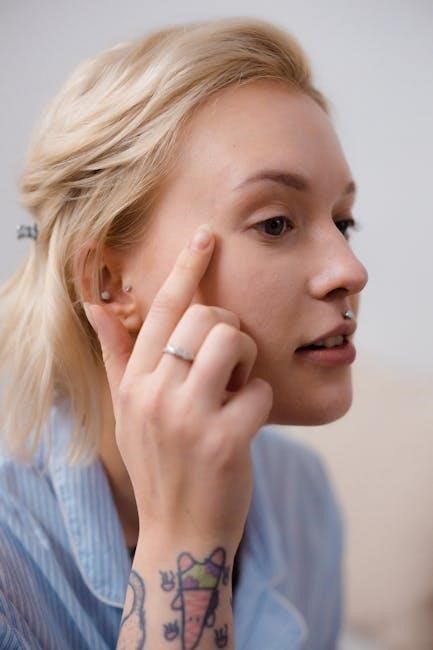
Proper aftercare is essential for optimal healing and preventing complications. Consistent cleaning and avoiding irritation are key to a successful piercing journey.
Initial Aftercare Steps (0-24 Hours)
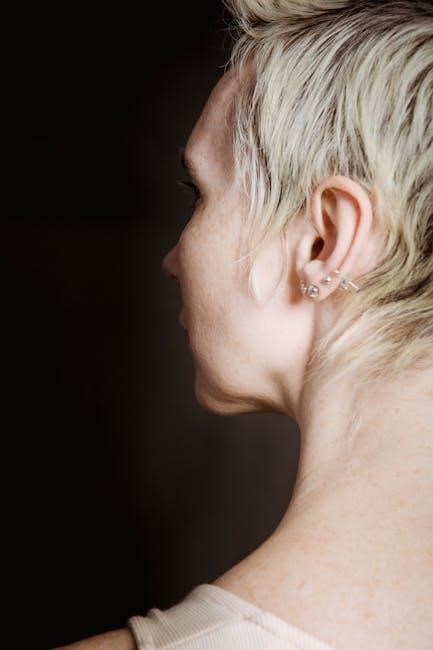
The first 24 hours following your ear piercing are critical for initiating the healing process and minimizing potential complications. Immediately after the piercing, adhere strictly to your piercer’s instructions. Generally, it’s advised to avoid touching the piercing except when cleaning.
Gentle cleaning with a sterile saline solution is paramount. Avoid harsh soaps, alcohol, or hydrogen peroxide, as these can irritate the delicate new piercing. Apply the saline solution by gently soaking a clean gauze pad and holding it against the piercing for a few minutes.
Resist the urge to twist or rotate the jewelry, as this can introduce bacteria and disrupt the healing process. Keep the area dry and avoid submerging it in water, including swimming pools and bathtubs. Wearing clean clothing that doesn’t snag on the piercing is also important during this initial phase.
Cleaning and Maintenance (Weeks 1-6)
During weeks one through six, consistent cleaning and careful maintenance are vital for successful healing. Continue cleaning the piercing twice daily with a sterile saline solution, using the soak-and-pat method with clean gauze. Avoid cotton balls or swabs, as fibers can get lodged in the piercing.
Be mindful of your hair and clothing, ensuring they don’t snag or put pressure on the piercing. Avoid sleeping on the pierced ear, as this can cause irritation and prolong healing. It’s crucial to avoid touching the jewelry unnecessarily to minimize the risk of infection.
Pay attention to any signs of irritation or infection, such as excessive redness, swelling, pain, or discharge. If you notice any of these symptoms, consult a piercer or medical professional immediately. Patience is key during this phase; complete healing takes time and consistent care.
Signs of Infection & When to Seek Medical Attention
Recognizing infection is crucial for preventing complications. While some initial redness and tenderness are normal, persistent or worsening symptoms require attention. Key signs include excessive swelling, intense and throbbing pain, unusual or foul-smelling discharge (especially if it’s yellow or green), and fever.
A small bump around the piercing site, known as a granuloma, can occur, but a spreading red streak indicates a more serious infection. Do not remove the jewelry yourself if you suspect an infection, as this can trap the infection inside.
Seek medical attention immediately if you experience any of these severe symptoms. A doctor can properly diagnose the infection and prescribe appropriate treatment, such as antibiotics. Prompt intervention is essential to avoid long-term damage or scarring.
Long-Term Aftercare & Jewelry Changes
Even after complete healing, consistent care maintains piercing health. Avoid harsh chemicals, hair products, and excessive pressure on the piercing. Regularly clean the area with a saline solution to prevent buildup and irritation. Rotating the jewelry is generally not recommended, as it can re-irritate the piercing channel.
When changing jewelry, ensure your hands are thoroughly clean. Opt for high-quality, hypoallergenic materials to minimize allergic reactions. Gradually increase the gauge (thickness) of new jewelry to avoid trauma. If you haven’t worn jewelry in a while, the piercing may shrink; a professional piercer can assist with re-insertion.
Be mindful of potential migration or rejection, indicated by movement or outward growth of the jewelry. Consult a piercer if you notice these signs.